CO₂ Conversion Using Spent Batteries and Foil
A research team at TU Wien, led by Professor Günther Rupprechter, has developed a groundbreaking method to convert carbon dioxide (CO₂) into methane – using nothing but discarded batteries and aluminium foil. This innovative approach not only helps reduce industrial waste but also creates a sustainable pathway for producing synthetic fuels.
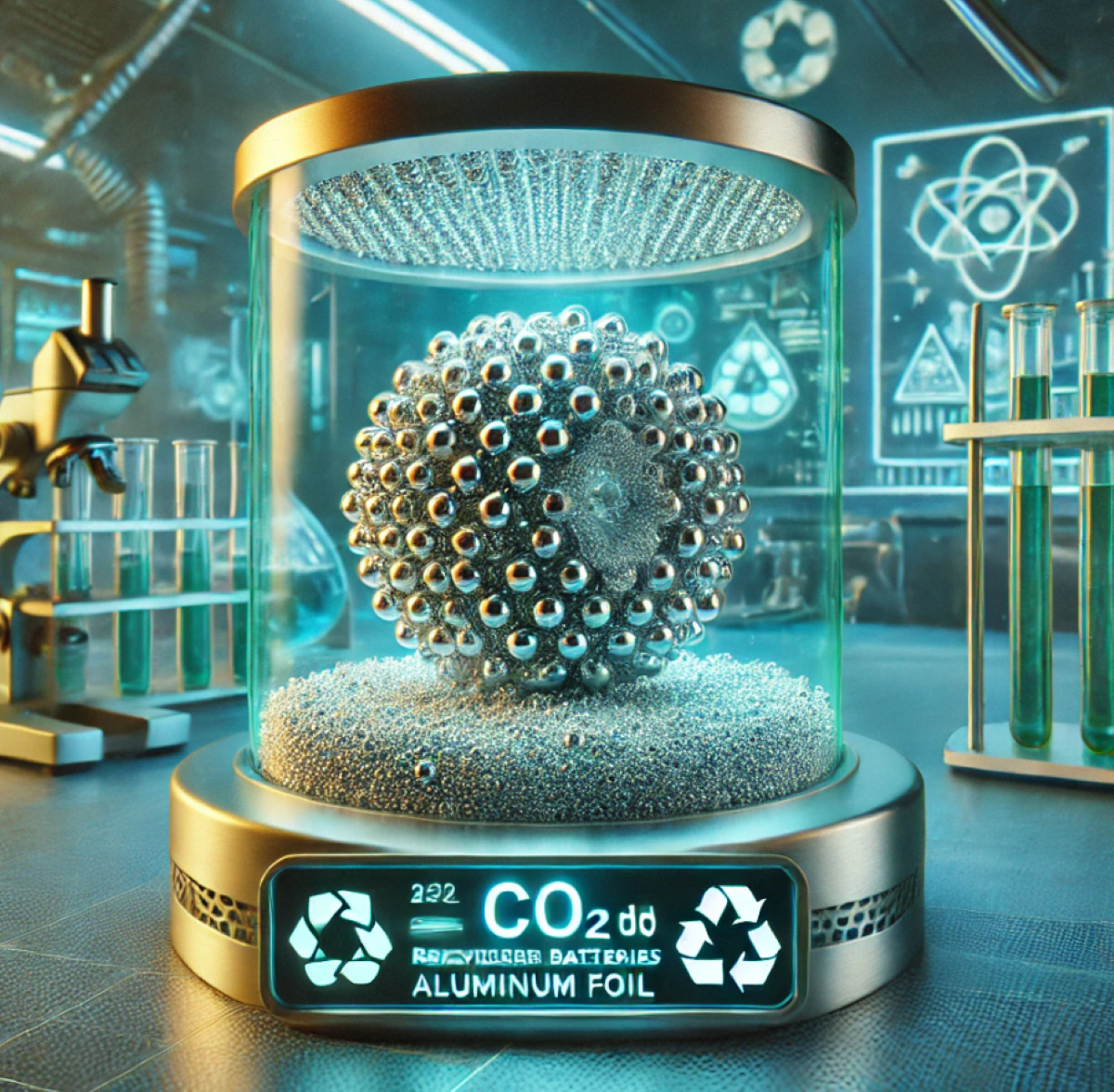
The team extracted nickel from used nickel-metal hydride (Ni-MH) batteries and alumina from household aluminium foil to develop a nanocatalyst composed of aluminium oxide and nickel. This catalyst drives the CO₂ methanation process at just 250°C and atmospheric pressure, making it energy-efficient and practical for real-world use.
This work is a striking example of the MECS research vision in action: bridging fundamental catalysis with circular economy principles and clean energy applications. It also demonstrates how waste materials can become resources in the transition toward a low-carbon future – an approach that aligns perfectly with MECS’ mission to develop sustainable energy systems based on smart materials.
Read full article >>here<<
about
avada factory
Sempery ultricies nibh at dolor cras urna eleifend nec. Atiam efficitur tempor.